13 hr
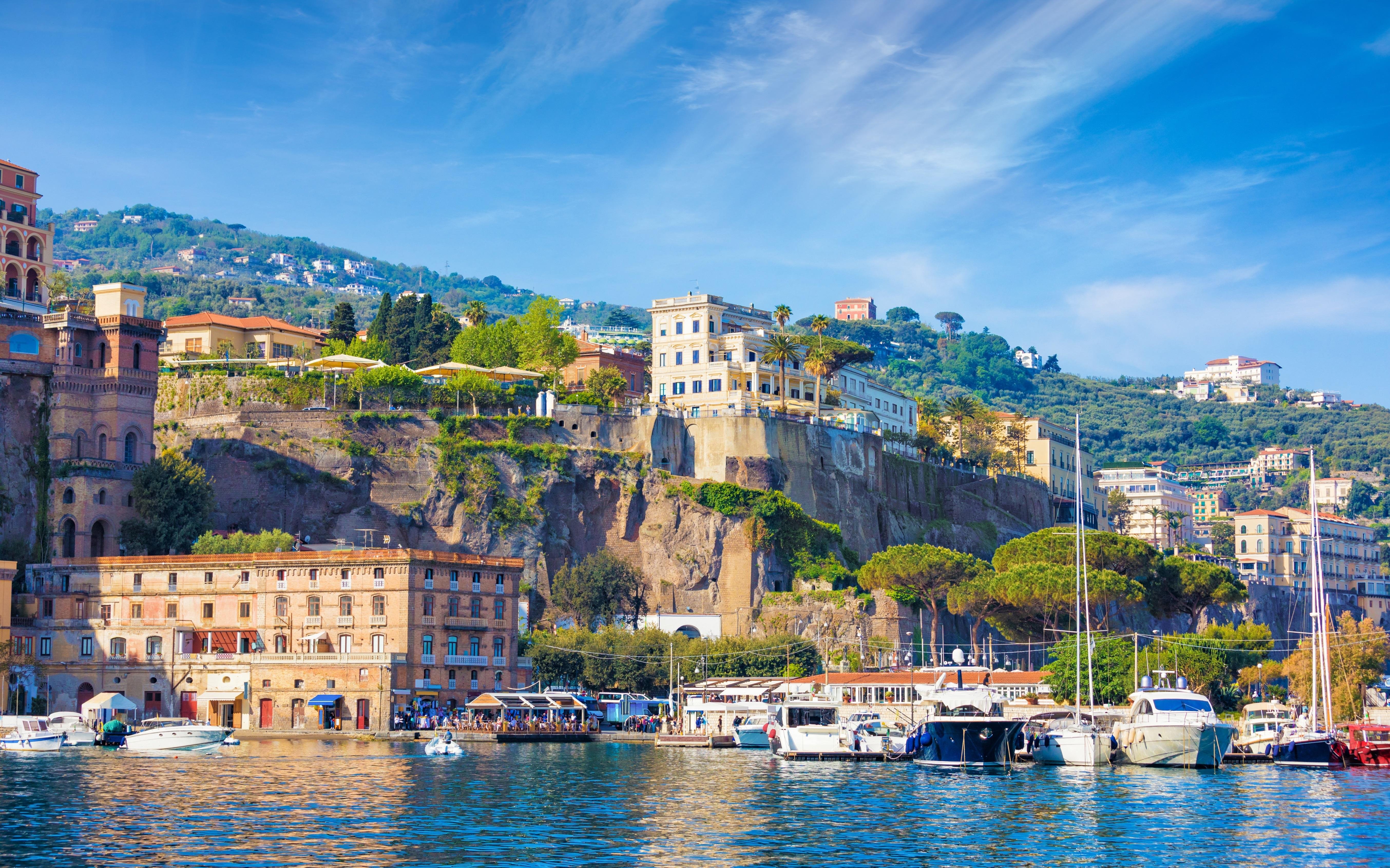
Rome to Pompeii, Amalfi Coast & Sorrento – Full-Day Guided Trip
Ancient ruins, cliff-hugging coastlines, and limoncello — all in one epic day from Rome.
Reserve
Hand-picked by our editors — only the best 5 experiences from 140 reviewed.
Verified partners for every tour, free cancellation where available, and instant confirmation on every booking.
13 hr
Ancient ruins, cliff-hugging coastlines, and limoncello — all in one epic day from Rome.
Reserve
12 hr
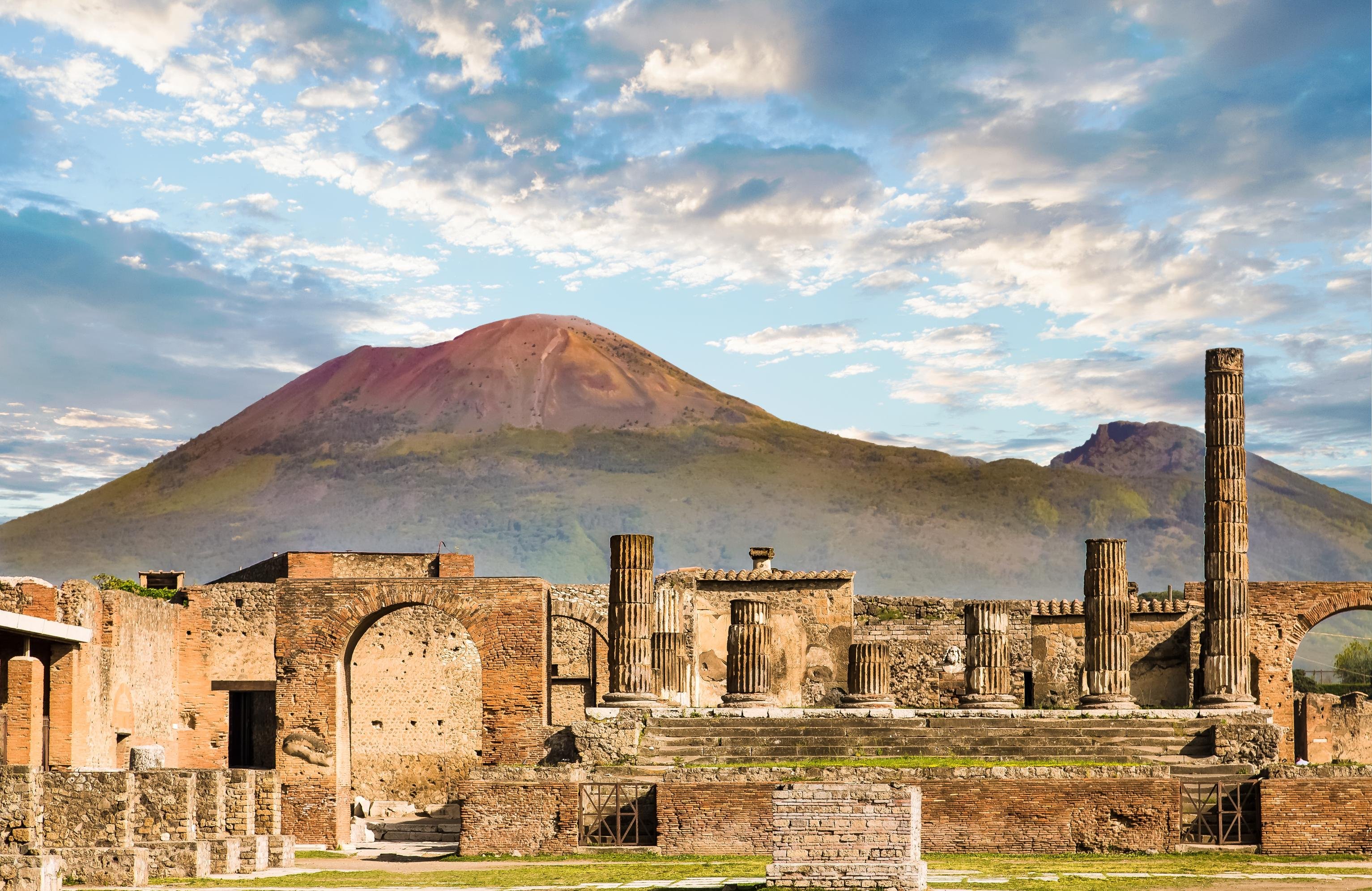
Step back 2,000 years on a guided day trip from Rome to Pompeii, with optional Vesuvius and lunch.
Reserve
13 hr
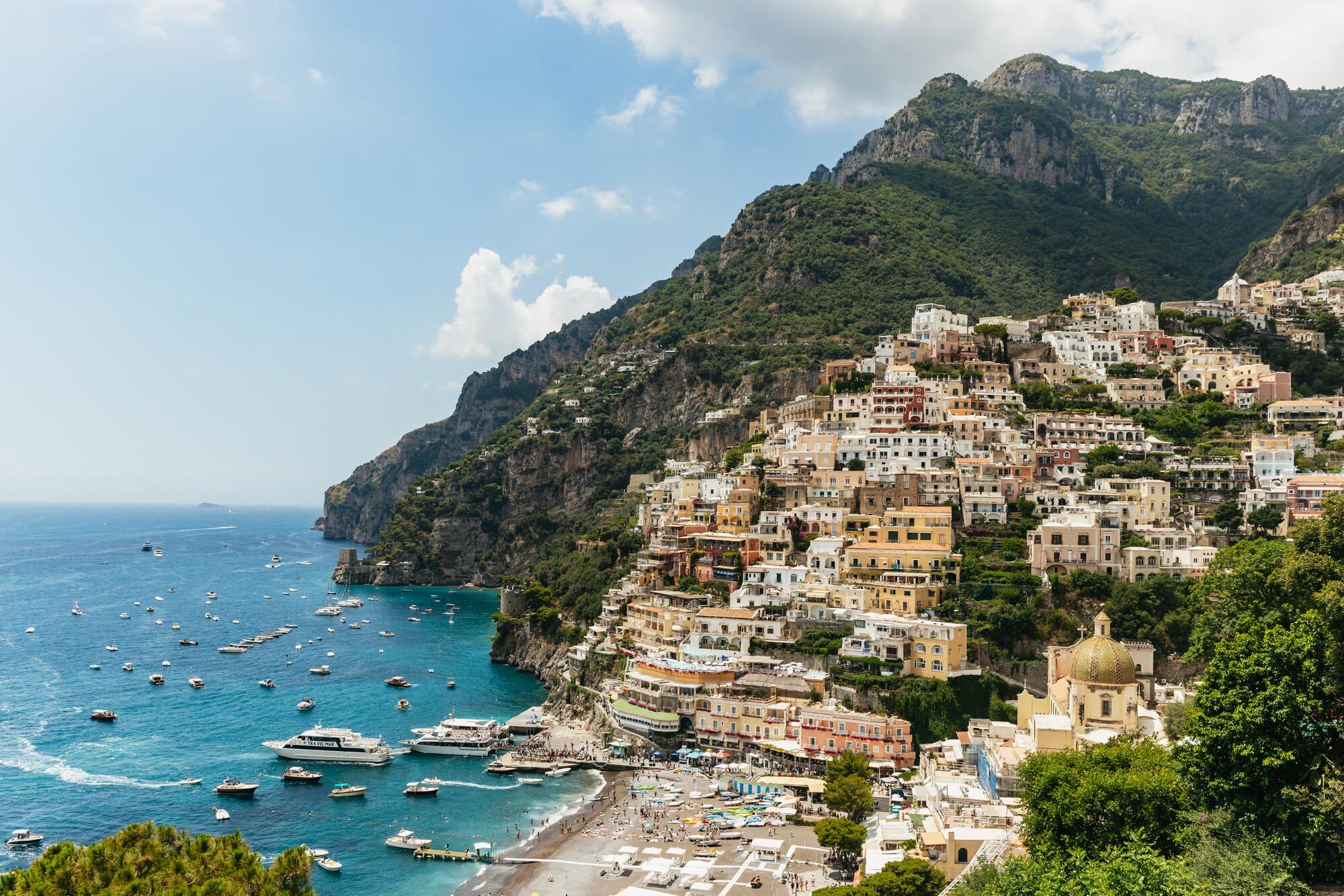
Ancient ruins, dramatic coastline, and pastel-clad Positano — all in one sweeping day from Rome.
ReservePrices from verified partners. Availability updates in real time at checkout. Free cancellation policies apply where shown.
The landmarks, rooms, and views travelers on this tour remember — all visible on a single visit.
The heart of political, religious, and social life in the city, surrounded by key temples and administrative buildings.
Built in 70 BC, this is one of the oldest surviving Roman stone amphitheaters, once hosting 20,000 spectators.
A suburban villa famous for its vibrant frescoes depicting mysterious initiation rites, preserved in vivid color.
The oldest and best-preserved public baths, showcasing the sophisticated Roman heating system known as the hypocaust.
One of the most impressive private residences, named for the bronze dancing faun statue found within its atrium.
Organized excursions provide comprehensive historical context across two sites, whereas independent travel prioritizes pace and personal focus. These rome to pompeii and herculaneum tour tours are ideal for travelers seeking guided archaeological insights without transit coordination.
| Feature | Top pick Two-Site Guided Tour | Self-Guided Pompeii Only |
|---|---|---|
Logistical Effort |
Managed transport and entry | Requires independent travel planning |
Time Commitment |
12–14 hours total | 6–9 hours total |
Educational Depth |
Expert commentary provided | Dependent on guidebooks or audio apps |
Flexibility |
Fixed schedule and group pace | Fully adjustable itinerary |
Stress Levels |
Low due to pre-arranged logistics | Higher due to transit navigation |
Site Coverage |
Both Pompeii and Herculaneum | Pompeii archaeological park only |
| See tickets → |
Verdict: Securing rome to pompeii and herculaneum tour tickets ensures a structured exploration of UNESCO heritage landmarks, while self-guided visits allow for a deeper, slower immersion into the ancient city.
Choose your ticket, select your date, and reserve in under two minutes. Secure checkout handled by our verified partner.
Instant confirmation by email, with a mobile voucher you can save offline. No printing, no queuing at a collection desk.
Arrive at the entrance, show your voucher on your phone, and walk in. Most tickets include priority or skip-the-line access.
Practical details for your visit straight from our verified partners — hours, access, rules, and how to get there.
There is no formal dress code, but visitors should wear comfortable walking shoes and clothing suitable for the summer climate. Modest attire is appreciated as this is a historic site.
Bags, backpacks, and luggage exceeding 30x30x15 cm are prohibited inside the site. Free cloakroom services are available at main entrances to store bulky items.
Photography and video are permitted for personal, non-commercial use only. Professional equipment such as tripods, large video cameras, and external lighting requires prior authorization.
The 'Pompeii for all' route is specifically designed for visitors with mobility difficulties and is accessible via the Piazza Anfiteatro entrance.
Families are encouraged to use the facilitated routes, though be aware that the ancient cobblestone streets can be challenging for strollers. Carrying small children or using hiking carriers is recommended.
Consumption of food and beverages is restricted to designated picnic areas, such as those near the Casina dell'Aquila. Bring a refillable water bottle to use at the public fountains inside the park.
Best time to go, insider tips, nearby landmarks, and the cancellation fine print — flip through to skim what matters to you.
Flexible, no hidden fees.
Tickets are personal and non-refundable, except in the case of extraordinary park closure. The standard adult entrance fee for the ancient city of Pompeii is 20 EUR per person.
Herculaneum was not buried by ash but by mud — a pyroclastic surge that sealed roof beams, doors and wooden furniture in place, carbonised rather than incinerated. Pompeii, eighteen kilometres closer to the coastline of the day, took the ash instead. The same eruption of 79 CE produced two entirely different archaeological records, and that difference is why itineraries pair them. Pliny the Younger, watching from Misenum, described a cloud shaped like an umbrella pine. His letters to Tacitus remain the only eyewitness account of the event. Both towns then vanished from the map for sixteen centuries. Herculaneum was struck by well-diggers in 1709; systematic excavation at Pompeii began in 1748 under Charles of Bourbon, and the tunnels of those first campaigns still scar the stratigraphy. A rome to pompeii and herculaneum tour therefore crosses two excavation histories as much as two towns. Pompeii covers roughly 66 hectares, of which about two-thirds have been uncovered. Its street grid survives intact: basalt paving with cart ruts worn deep, raised stepping stones at crossings, lead pipes beneath. The Forum sits at the civic centre, flanked by the Basilica and the Temple of Apollo, with Vesuvius framed at the northern end. The Villa dei Misteri holds the megalographic fresco cycle in Second Style red, and the Casa del Fauno spans an entire insula. Plaster casts, made by Giuseppe Fiorelli's method of pouring into voids left by decayed bodies, remain the site's most disquieting objects. Herculaneum is smaller, denser and vertical. The volcanic deposit reached twenty metres, which preserved upper storeys, timber screens, a carbonised rope, and a wooden bed frame in the Casa del Tramezzo di Legno. The Villa of the Papyri yielded some 1,800 carbonised scrolls, now the subject of X-ray tomography and machine-learning decipherment. Skeletons found in the boat sheds along the ancient shoreline in the 1980s corrected the long assumption that the town emptied in time. Both belong to the Archaeological Park of Pompeii, inscribed by UNESCO in 1997 alongside Torre Annunziata. Excavation continues in Regio V, where new frescoes and a ceremonial chariot have emerged since 2018. Standard adult entry to the ancient city of Pompeii is 20 EUR, and the gates at Via Villa dei Misteri, 2, open 09:00–19:00 daily. Any well-built rome to pompeii and herculaneum tour treats the pairing not as duplication but as contrast — one town read horizontally, the other in section.
"One town was read horizontally, the other in section."
A step-by-step walkthrough of the visit — what you'll see, how long each stage takes, and the details that matter.
You leave Rome early, either by coach from the centre or on a high-speed train that reaches Naples in about an hour before the transfer south. Whichever departure you choose, aim to be at the gates between 09:00 and 10:30 — early arrival keeps you ahead of the midday heat and the large group blocks that form later. You enter and the ground turns to basalt underfoot, rutted where carts wore grooves into stone. You cross the Forum with Vesuvius standing at the far end of the colonnade. You step into the Casa del Fauno, then the Lupanare, then the granaries where amphorae and casts are stacked behind grilles. Your guide points out the thermopolium counters, their marble tops still holding sunken storage jars. The afternoon shifts scale. On a rome to pompeii and herculaneum tour that continues to the second park, you descend a ramp into Ercolano and look down on the ruins from above, roofs and second floors intact. You touch nothing; you photograph the carbonised beams and the boat-shed arches. Options vary by product — some add a Vesuvius crater hike, others a wine tasting on the volcanic slopes or a run along the Amalfi Coast to Sorrento or Positano — and you are back in Rome by evening, dusty and quiet.
The archaeological site of Pompeii is open daily from 09:00–19:00. Arriving between 09:00–10:30 helps avoid crowds during your rome to pompeii and herculaneum tour.
Yes, the 'Pompeii for all' route provides accessible access for those with mobility aids, which is perfect for a rome to pompeii and herculaneum tour.
No, bags larger than 30x30x15 cm are not allowed. You must check them at the entrance cloakroom before starting your rome to pompeii and herculaneum tour.
Yes, you may take photos for personal use. However, tripods and professional gear are restricted during your rome to pompeii and herculaneum tour.
Early morning (09:00–10:30) is the best time to visit to avoid peak heat and large crowds during your rome to pompeii and herculaneum tour.
There is no strict dress code, though comfortable walking shoes and sun protection are essential for your rome to pompeii and herculaneum tour.
Food and drink should only be consumed in designated picnic areas during your rome to pompeii and herculaneum tour.
The main entrance is located at Via Villa dei Misteri, 2. Most visitors arrive via train for their rome to pompeii and herculaneum tour.
Yes, families are welcome. Many find the history engaging, provided they are prepared for the extensive walking required on a rome to pompeii and herculaneum tour.
Tickets are non-refundable except in cases of extraordinary closure, so plan your rome to pompeii and herculaneum tour tickets carefully.